
Berlin, Germany With Kids
- Museum fur Naturkunde: Museum of Natural History
- Deutsches Technikmuseum: German Technology Museum
- Science Center Spectrum
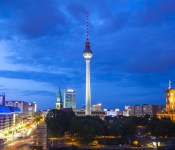
- Fernsehturm (pictured at right)
- Jewish Museum
- Tiergarten Park
- Zoo Berlin, Berlin Aquarium and Tierpark Berlin
- Legoland Discovery Centre at Potsdamer Platz
- Christmas Markets
- KaDeWe
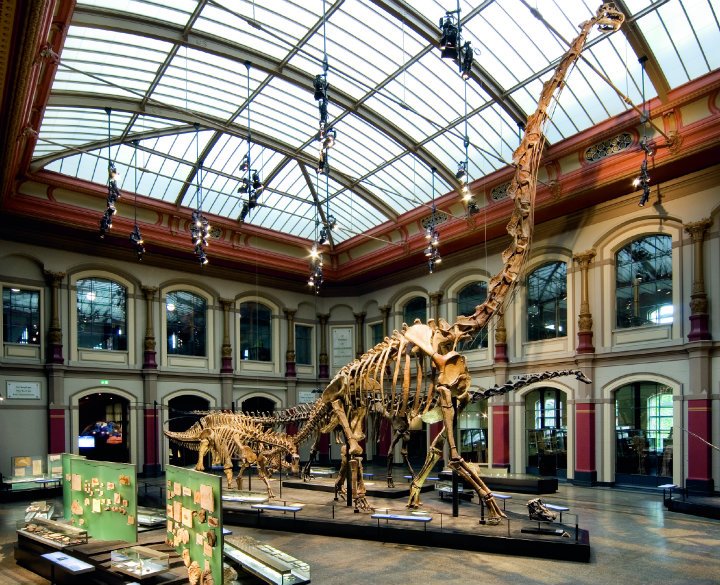
The Museum fur Naturkunde is a natural history museum that kids, especially those enthralled with dinosaurs will love. Upon entering the museum, the largest mounted dinosaur skeleton (40 feet or 14 meters) is the middle of an atrium, as illustrated to the right. The Brachiosaurus – a plant eater – lived 150 million years ago and was discovered on an exhibition to East Africa. In addition, the museum has the best preserved earliest known bird specimen displayed – the Archaeopteryx.
 The museum has 14 major exhibits that cover paleontology, the earth, cosmos and the solar system, evolution, animals, plants, minerals, and more. Open Tuesday-Friday from 9:30-6:00 and on weekends from 10:00-6:00, the museum is closed on Mondays. There is a museum shop and a restaurant that is open from 10:00-4:00 Tuesday-Friday and from 11:00-5:00 on weekends.
www.naturkundemuseum-berlin.de
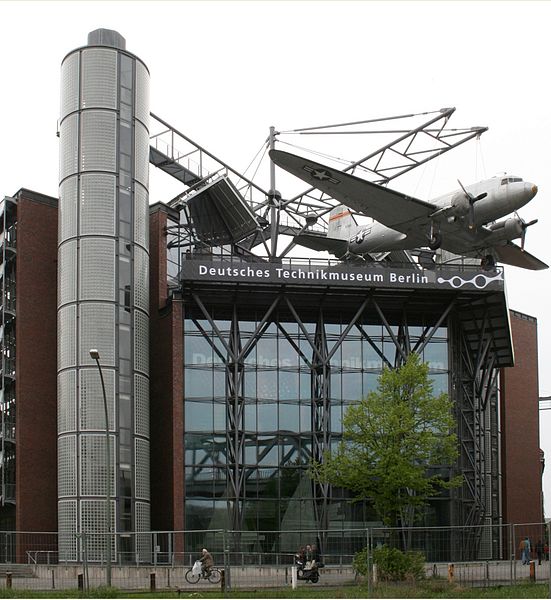 The museum is open Tuesday-Friday from 9:00-5:30 and on weekends from 10:00-6:00. Closed on Mondays.
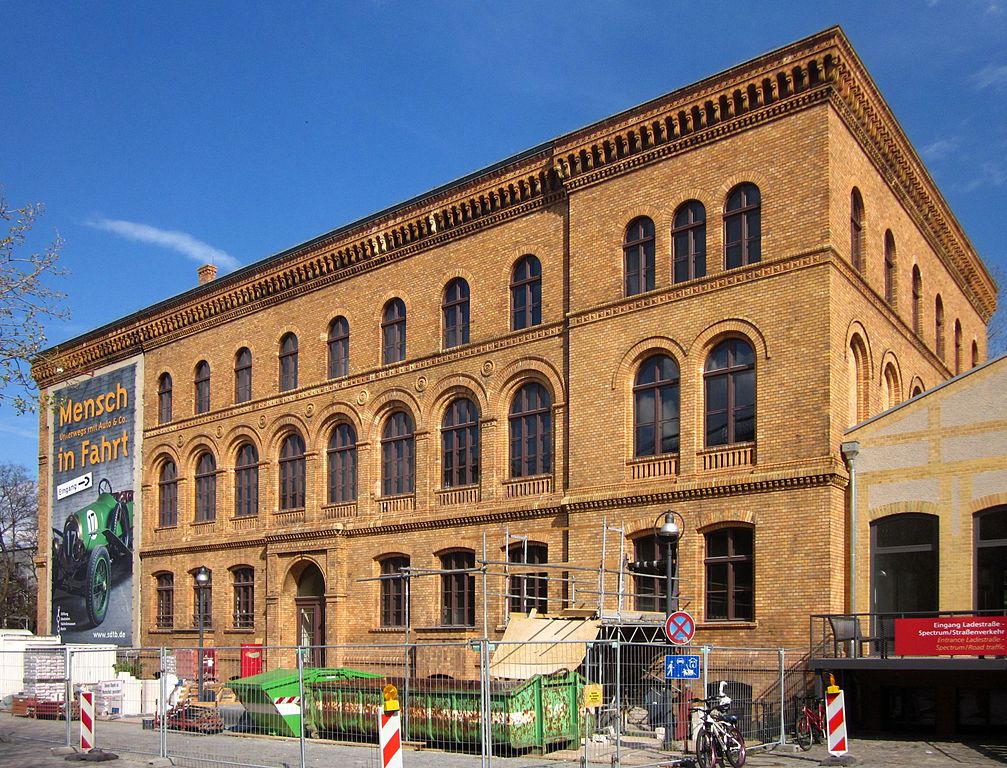 The Spectrum is open Tuesday – Friday from 9:00-5:30 and on weekends from 10:00-6:00. Closed Mondays. Currently under renovation, the museum will reopen in August, 2013.
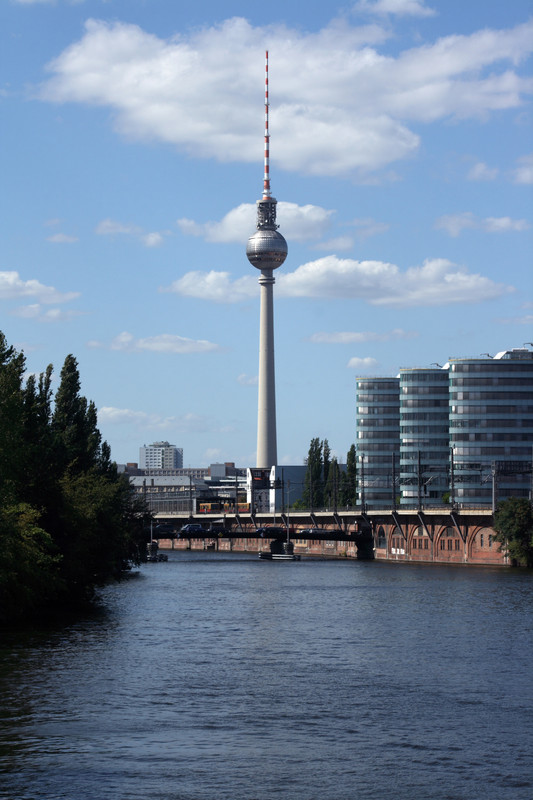 In addition, there is a restaurant in the sphere that rotates every 30/60 minutes. Open from 9:00 – midnight from March through October and 10:00 – midnight from November to February, the Fernsehturm is like going to the Observatory at the Empire State Building and viewing the city, except that the platform at the Fernsehturm is all indoors. Tickets can be purchased on site or through the website.
 Plan to spend the day here, especially if children are along as this place is one of the most engaging museums for kids we’ve ever visited. The Jewish Museum is one of my daughter’s favorite museums and so we stayed until the doors closed. The new building is divided into four levels with the tour (self guided or with a guide) starting in the lower level, which is devoted to the Holocaust. Some of the exhibits are too strong for young children but are appropriate for older children who have studied the Holocaust in school. The tour then continues to Level 2 and works downwards to Level 1 and then to the ground level. Levels 2 and 1 provide a history of Judaism and in each historical section, children are engaged in every room through exhibits and computers.
My daughter particularly loved the Pomegranate Tree which is a “tree” several floors tall in an atrium that has a winding staircase through the tree to the top. Children are given a paper pomegranate and asked to write about what emancipation means to them and then hang their pomegranate anywhere on the tree, with the most popular spot the top of the tree.
Children are also introduced to historical figures that contributed to industries including cartoons, fashion, movies, and physics. There are coloring stations, pillowed sofas on the floor to watch cartoons (someone who really knows kids thought of this exhibit), and computers that ask kids questions in every room. My daughter was particularly affected by a question in which she was asked “Do you know anyone that doesn’t like someone because a person is Jewish?” My daughter truthfully answered no. After she answered, the computer tallied the day’s answers and told her that 72% of the people answered no but that 28% answered yes. The 28% struck my daughter as hard to comprehend – that someone would not like a person because that person is Jewish; a simple question and surprising collective answer really made my daughter think and ask questions about race and religion.
The museum is open on Mondays from 10:00-10:00 and Tuesday-Sunday from 10:00-8:00. Closed on Rosh Hashanah, Yom Kippur and Christmas Eve.

Berlin has two zoos: Zoo Berlin which is also known as the Berlin Zoological Gardens located in the Wilmersdorf neighborhood within the central district of Charlottesnburg-Wilmersdorg; and Tierpark Berlin which is the East Berlin counterpart located about 5 miles (8 kilometers) east from central Berlin in the neighborhood of Friedrichsfelde within the district of Lichtenberg.
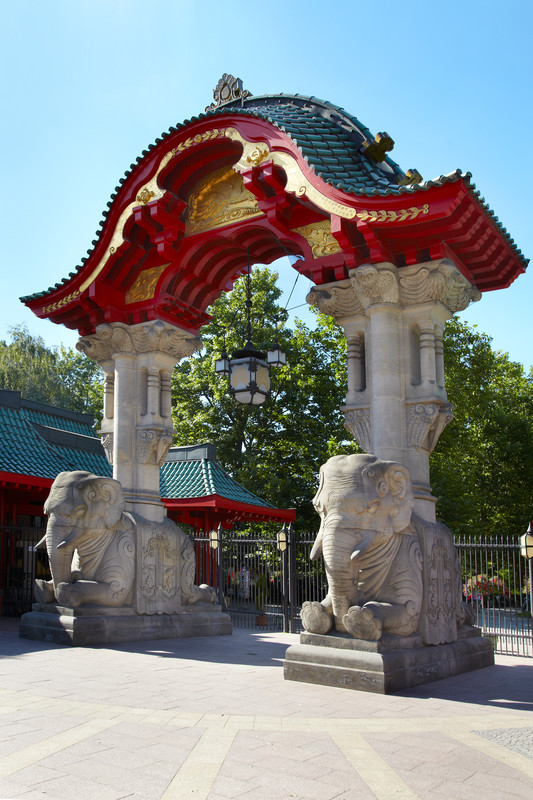 The Zoo Berlin is located just south of Tiergarten Park in the downtown area of Berlin and is easily accessible by foot, train, or bus. This 84-acre zoo has been open since 1844 and contains 1,500 species and 17,000 animals in areas that resemble natural habitats. Well known for their animal feedings, the schedules are available on-line or available at the entrance gate. The zoo also contains a “carnivore house” and a bird aviary.
Several restaurants are on-site and offer a variety of choices. Open daily from 9:00-5:00 from Oct 4-March 19 and from 9:00-7:00 from March 20-October 3. Self guided tours, guided tours, and special meetings with animals and trainers are available. The website provides basic information (opening and closing times, location, etc) in English but information on events and exhibits is in German.
The Berlin Aquarium is located on the same property as the Zoo Berlin and has been open since 1913. The Aquarium has more than 9,000 animals on three floors including a shark tank. Tickets to the aquarium are separate but combo tickets can be purchased if both the Zoo Berlin and the Aquarium will be visited on the same day.
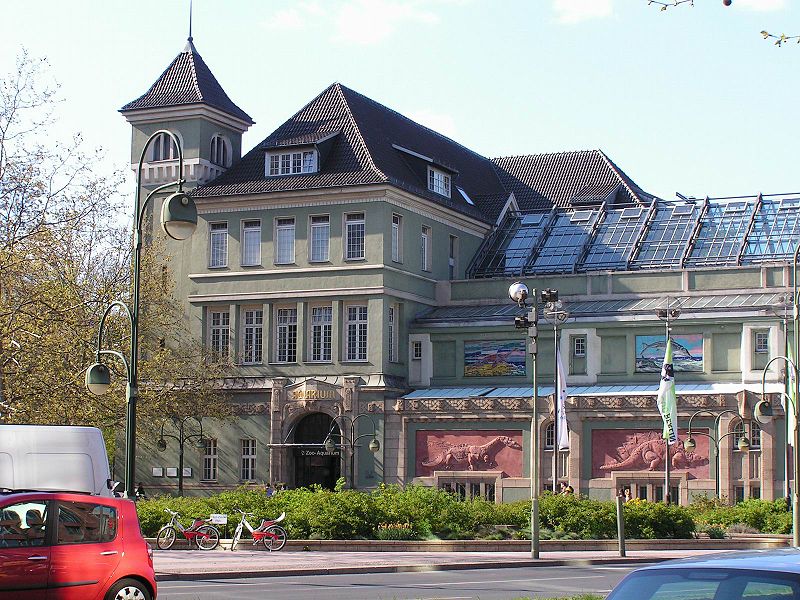 Zoo Aquarium Berlin
Tierpark Berlin is a 400 acre zoo that contains 950 species and 7,700 animals. Well known for their elephants, African primate house, and crocodile house, Tierpark Zoo is easily accessible by train, car, or bus and is open from 9:00-5:00 during the winter months and 9:00-7:00 during the summer months. Check the website for specific dates and times, which are listed. There is an on-site restaurant.
On a rainy or cold day after a visit to a museum, consider a visit to Legoland at Potsdamer Platz in the Sony Center. Located in central Berlin in the neighborhood of Tiergarten in the district of Mitte, Legoland has a dozen different play areas (a tour of how Legos are made, 3D cinema, a jungle trail, a mini-Berlin made with 1.5 million legos, a dragon quest ride, a lego car speed test track, remote-controlled pirate ships, an area for small children, a jungle gym, and even an area to build princess castles).
 There is also a cafe and of course, a Lego shop. Legoland is open everyday from 10:00-7:00.
www.legolanddiscoverycentre.de
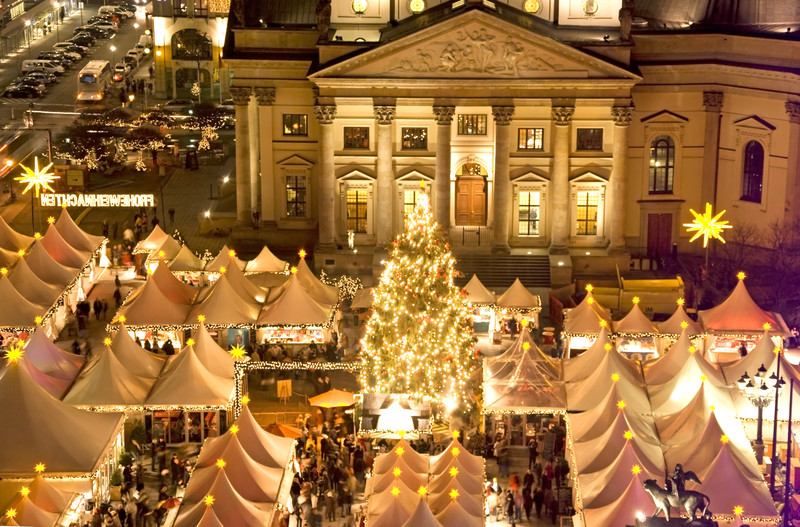 Christmas Markets offer all types of German foods including gingerbread, pastries, breads, sausages, cheeses, and more. In addition, there are vendors selling ornaments and other handiworks. Music, rides, concerts, ice skating rinks and more put everyone in a festive mood. Go to www.visitberlin.de for a comprehensive list and summary of the various Christmas markets.
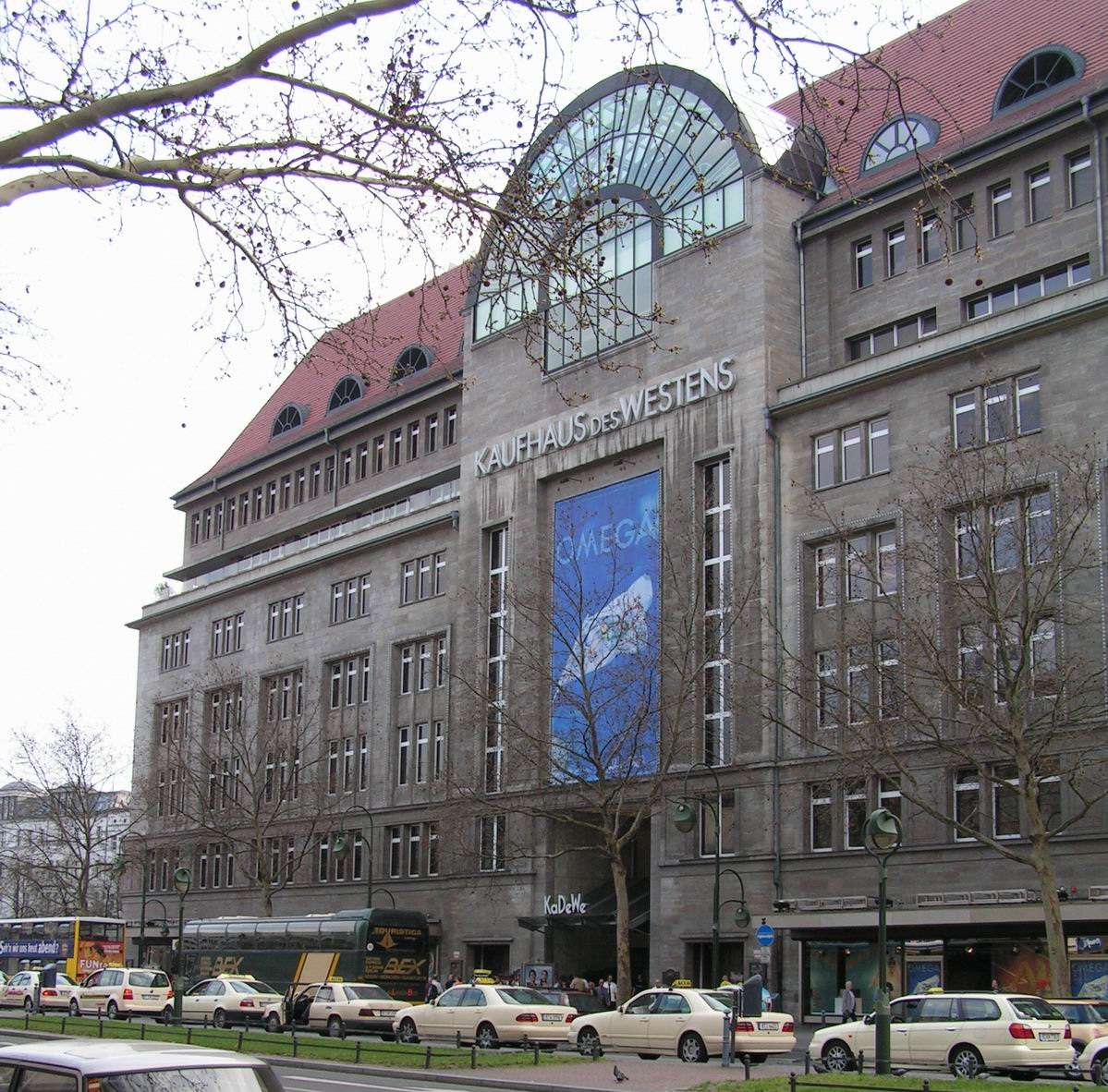 Kids will want to stop by the toy department which carries a wide selection of top quality German brands: Playmobil, Ravensburger, Gothe, Haba, and more. There is also a ticket office on the 6th floor where tickets for virtually any event can be purchased. KaDeWe also has a wonderful selection of German candies, gummies, and chocolates.
- Berlin can be grey, rainy, dark and cold during the Autumn and Winter so plan your day around the weather.
- Berlin is divided into 12 districts and each district is further broken down into sub-districts or neighborhoods. A few neighborhoods will have the same name as the district but most do not. Use a map that has the districts, neighborhoods, and streets listed because addresses tend to include the name of the neighborhood – not the district.
- To better understand addresses, the street name is written followed by the number. On the next line, the Berlin zip code is written first followed by “Berlin” followed by the neighborhood name. For example: 10963 Berlin – Kreuzberg (This location is located in the Kreuzberg neighborhood which is in the district of Friedrichshain-Kreuzberg).
- Most of the sites listed above are in the three central districts: Mitte, Charlottenberg-Wilersdorf, and Friedrichshain-Kreuzberg.
- Many museums are closed Mondays.
- If possible, stay in the downtown area in one of the three central districts listed above.
- Public transportation is extremely reliable and punctual.
- Be aware that the Germans can be a bit rigid with regards to rules and expected behavior of children.


 Paddock Post
Comments are closed.