
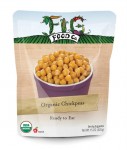
Organic Beans by Fig Food Co.
FIg Food Company was started in 2009 by Joel Henry whose company’s mission is to improve the health of people and the planet by promoting the consumption of plant-based food. The company makes, sells, and distributes nine organic and kosher 100% plant-based soups (in microwavable BPA-free pouches) that are low in sodium and offer a healthy alternative to the sodium-laden canned soups on supermarket shelves. But, what most people don’t know is Fig Food Company also sources, sells, and distributes eight types of ready-to-eat organic beans with no added salt, preservatives, or flavorings. Just organic beans and water so the flavor is simply delicious beans. Read more 
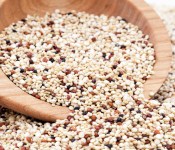
Quinoa: Gluten-Free Goodness
Quinoa is a grain-like crop that is actually a seed making it immensely popular in gluten-free diets. Highly cultivated by South Americans and particularly by those who live in the mountainous regions, quinoa is one of the few crops that thrives in high altitudes and in less than ideal farming conditions. Read more

Matt’s Munchies
Ever wonder why fruit roll-ups/leathers can’t be made with fruit and natural ingredients? Chef Roberts did and decided to create healthy, organic, gluten-free, vegan certified, and kosher fruit leathers without artificial additives, colors, and preservatives. How you ask? By using organic great tasting fresh fruit to make flavorful squares of pure dehydrated mango, banana, and apricot puree. Read more

Crunchy Nut and Seed Granola Clusters
The granola bar is at one end of the granola spectrum and on the other end is loose granola. Popular as both a cereal and snack food, granola in its two major forms is the go-to food for those who want a nutritious meal or snack on the go. But, what if you want a granola that is more substantial in texture than a cereal but not as rigid as a bar? The answer is the granola cluster: chunks of loosely held together pieces of granola that have the texture of a bar but the flexibility of a crumbly cereal. Read more

Fruit Bliss
Fruit Bliss is a family of preservative-free, soft and moist dried fruit that is juicy and delicious. Made only with non-GMO fruit and water, these naturally sweet fruits are loved by both adults and kids and are a healthy alternative to dried fruit that has been preserved with sulfites. You won’t find any hard, powdery, or overly chewy pieces of dried fruit in Fruit Bliss because real pieces of dried fruit rehydrated with water ensures that every bite of Fruit Bliss is an all natural, pure and healthy snack. There are no added sweeteners, artificial colors or flavors added to this gluten-free nutritious snack food. Read more

Kamut: The Ancient Grain in Modern Times
Kamut is the trademarked name of Khorasan wheat – a grain whose name refers to the northeast region of Iran, where it was widely grown. Popular in ancient times and especially in Egypt, some people refer to Kamut as “King Tut’s Wheat” because legend holds these grains were found in the tombs of pharaohs. Kamut is an organic, non-genetically modified ancient wheat variety (although many gluten intolerant people can easily digest Kamut) that is delicious and nutritious. Read more

Purely American Foods: Soups, Stews, and Chowders
Several years ago, I stopped buying canned soups and started making my own because I wanted to have soups with no additives and a lower sodium content. Most soups are relatively easy to make but have two challenging aspects: time and flavor. Cutting up vegetables is time-consuming but if a food processor is used, the chopping and mincing is a snap. Onions, celery, and carrots are three very common vegetables used in soups and my mini chopper dices these vegetables in seconds. Read more
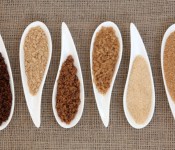
Organic and Natural Sugars
Until recently, I didn’t think there was really that much difference between refined sugar and organic sugar but there is a big difference and one worth knowing about. Bone char (which are primarily pelvic bones from cattle that have been ground, heated, and charred) is often referred to as a natural carbon and is widely used by the industry to filter sugar through an absorption process giving sugar cane that “pure” white color we’re all used to seeing when we open a bag of refined sugar. Not all sugar companies use bone char to process sugar – some use other carbon systems – but many do so the easiest way to avoid bone char is to buy organic and natural sugars. Read more
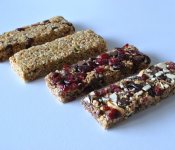
The LenkaBar
York, Pennsylvania may be well-known as “The White Rose City” but many people don’t know that York is also the home of Lenka’s Fresh Snacks, the maker of LenkaBars: granola bars made with organic granola and fresh, natural ingredients. It all started in Mom’s (Lenka’s) kitchen six years ago with her recipes for homemade granola bars that called for the freshest ingredients. The popularity of the bars grew and although LenkaBars are now made in a commercial grade kitchen, Lenka still makes the bars using her unique recipes in small batches. Read more
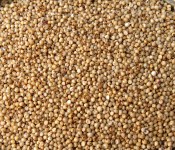
Sorghum: The Hearty Grain
Sorghum is a small circular grain that is often referred to as the traditional grain of India although it originated in Africa thousands of years ago. Popular in geographic areas that can be prone to drought, sorghum is hearty and has a chewy texture making it a staple grain in India and Africa. The flavor is neutral although some varieties are slightly sweet which allows spices and seasoning to shine through in a dish. In the west, sorghum is more often cooked and then added to soups, salads or used as an alternative to rice in recipes although more recently sweet sorghum flour has become a popular ingredient in gluten-free recipes. Read more


 Paddock Post