

Kamut: The Ancient Grain in Modern Times
Kamut is the trademarked name of Khorasan wheat – a grain whose name refers to the northeast region of Iran, where it was widely grown. Popular in ancient times and especially in Egypt, some people refer to Kamut as “King Tut’s Wheat” because legend holds these grains were found in the tombs of pharaohs. Kamut is an organic, non-genetically modified ancient wheat variety (although many gluten intolerant people can easily digest Kamut) that is delicious and nutritious. Read more 

Purely American Foods: Soups, Stews, and Chowders
Several years ago, I stopped buying canned soups and started making my own because I wanted to have soups with no additives and a lower sodium content. Most soups are relatively easy to make but have two challenging aspects: time and flavor. Cutting up vegetables is time-consuming but if a food processor is used, the chopping and mincing is a snap. Onions, celery, and carrots are three very common vegetables used in soups and my mini chopper dices these vegetables in seconds. Read more
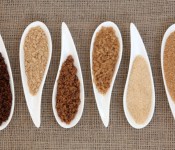
Organic and Natural Sugars
Until recently, I didn’t think there was really that much difference between refined sugar and organic sugar but there is a big difference and one worth knowing about. Bone char (which are primarily pelvic bones from cattle that have been ground, heated, and charred) is often referred to as a natural carbon and is widely used by the industry to filter sugar through an absorption process giving sugar cane that “pure” white color we’re all used to seeing when we open a bag of refined sugar. Not all sugar companies use bone char to process sugar – some use other carbon systems – but many do so the easiest way to avoid bone char is to buy organic and natural sugars. Read more
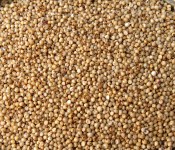
Sorghum: The Hearty Grain
Sorghum is a small circular grain that is often referred to as the traditional grain of India although it originated in Africa thousands of years ago. Popular in geographic areas that can be prone to drought, sorghum is hearty and has a chewy texture making it a staple grain in India and Africa. The flavor is neutral although some varieties are slightly sweet which allows spices and seasoning to shine through in a dish. In the west, sorghum is more often cooked and then added to soups, salads or used as an alternative to rice in recipes although more recently sweet sorghum flour has become a popular ingredient in gluten-free recipes. Read more
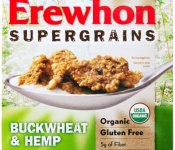
Erewhon Supergrains: Buckwheat and Hemp Cereal
A big part of everyone’s day is breakfast and what better way to start the day than with a delicious bowl of cereal? With most grocery stores devoting the whole side of an aisle to cereal selections, there is usually something for everyone. But, what if you’re looking for a delicious, nutritious cereal that has simple recognizable ingredients with no artificial colors or additives? Look no further because there is a new cereal on the market called Erewhon Supergrains: Buckwheat and Hemp that not only tastes incredible but is also nutritious.
Read more
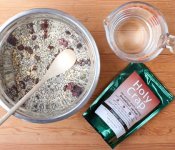
Holy Crap!
When Corin Mullins couldn’t find a healthy great tasting breakfast cereal that addressed her husband’s food allergies and sensitivities, she created her own and called it Hapi Food cereal. At the local farmer’s market on the Sunshine Coast in British Columbia, Corin started selling her bagged cereal and when one of her first customer’s tasted a sample and said “Holy Crap…this is amazing,” the name of the cereal was changed to Holy Crap. That was May of 2009 and since then, the popularity of Holy Crap has skyrocketed (literally, to the International Space Station where Canadian astronaut Chris Hadfield enjoyed it during his five month mission earlier this year). Read more
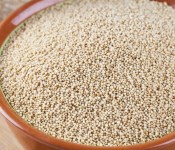
Amaranth: The Golden Grain
At a food show recently, several vendors were showing amaranth bars which reminded me of the snack bars I would see in Mexico. Nearly white in color, amaranth almost looks like sesame seeds from afar and bits of popcorn up close. Intrigued, I read the label and was impressed with the nutritional information so I ordered a bag of whole seed amaranth and started on a journey to learn about this ancient grain and how to incorporate it into modern recipes. Read more
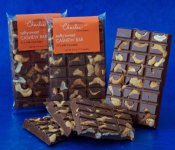
Food Websites: The A to Z Quick Reference Guide
Many readers have asked for a list of the food websites I rely on so when I found myself e-mailing numerous links, I realized I needed to make a quick reference guide. No pretty pictures or descriptive write-ups, just the links. All of the foods listed below have been written about on this website (and more than likely, photographed also) so if you want detailed information on a specific product, utilize the search function on the cover page or use the category bars, which are also on the cover page of this website to find detailed product information and photographs. Read more

The Chocolate Covered Strawberry
Six pounds of fresh strawberries were staring at me on the kitchen counter and although I popped one of those luscious red fruits into my mouth every time I walked by, I was still faced with a mountain of ripe strawberries by late afternoon. With very little time to make dessert, I opted to make a family favorite: Chocolate Covered Strawberries. Using two 3.5 ounce Dark 70% Green & Black’s Organic Chocolate Bars (although I also use a 9.5 ounce bag of Dove Dark Chocolate Silky Smooth Promises from time to time) , there were 50 chocolate covered strawberries chilling in the refrigerator within 30 minutes. Read more
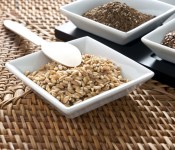
Farro: An Ancient Grain in Modern Times
Whole grains seem to be a big topic of discussion these days in the two camps who tend to be the most boisterous in the foodie world. On one side are those who extol the nutritious benefits of eating a diet rich in whole grains and on the other side, a group who insists they don’t know what to do with whole grains and that grains take too much time to cook. All good points but at the end of the day it’s the whole grain proponents who have the winning argument because whole grains really are better for our bodies and the latter arguments can be overcome with education and careful planning. But, the most important reason to eat whole grains is the taste which can be nutty, buttery, slightly sweet, or earthy, depending on the grain. Read more


 Paddock Post