
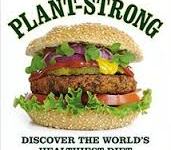
Plant-Strong
We’ve been so hoodwinked and bamboozled by the meat, milk, and egg industries that the majority of people, including well-meaning but misinformed doctors and nutritionists, haven’t a clue that the best and most healthful sources of protein come from whole plants.
Plant-Strong is the new title of a book that was originally called My Beef with Meat (2013), a New York Times Bestseller. The original title was clever and catchy (the brainchild of a marketing executive in the publishing house) but the words never quite reflected the author’s style (positive) or his approach to living a plant-strong life, which is inclusive. Read more 
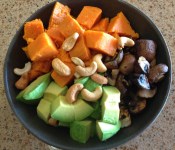
The Sweet Potato, Tofu, and Mushroom Bowl
Because you know I’m all about that bowl
‘Bout that bowl, no plate
I’m all about that bowl
‘Bout that bowl, no plate
I’m all about that bowl
“Bout that bowl, no plate
I’m all about that bowl
‘Bout that bowl…bowl…bowl…bowl

Golden Berries and Golden Berry Relish
Golden Berries are making an appearance in grocery stores nationwide. Native to high altitude tropical climates – and particularly Peru and Columbia – Golden Berries are small round berries that look like yellow cherry tomatoes but with a sweet and mild tart flavor.
Also known as Peruvian Ground Cherries, Cape Gooseberries, Uchuva, and Physalis (its scientific name), Golden Berries have traditionally been used to make jams, preserves, and as an exotic garnish on tarts. More recently, the berries are being enjoyed as is, chopped in a salad, or diced in a relish (see recipe below). Read more

Why GMO’s Don’t Matter but What You Eat Does
The recent defeat of the Senate bill that would have created voluntary national standards for food labeling with genetically modified ingredients would have prevented states (including Vermont, the leader whose food labeling laws go into effect July 1, 2016) from mandating labels on food that contain genetically modified ingredients. Read more

Dark Chocolate Matzah Bark
If you happen to live in Boston and need the perfect Passover treat, stop in at EHChocolatier at 561 Windsor Street in Sommerville, just east of Cambridge to buy Dark Chocolate Matzah Bark. Whether buying these for yourself, sharing as part of a dessert, or bringing them as a gift for the host or hostess, Dark Chocolate Matzah Bark will bring a sweet ending to any Passover Seder.
For those of us unable to get to Boston, EHChocolatier ships the bark 2-day Priority, Fed Ex 2-day, and UPS Second Day Air to ensure receipt before Passover. Read more
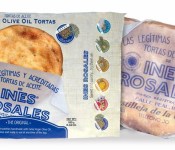
Sweet Olive Oil Tortas
Years ago while living in Madrid, Spain, sweet olive oil tortas (tortas de aceite) were a common snack that was often referred to as a “merienda” – a light snack in the late morning between breakfast and lunch or in the late afternoon between lunch and dinner. Although each neighborhood seemed to have their own bakery version, Ines Rosales was the most popular national brand simply because her tortas tasted the best. Read more

Frontier Bites
Frontier Bites were created several years ago when two brothers (Nate and Matt) challenged each other to a baking competition to see who could come up with the best alternative to the overly processed energy bars that they regularly ate. The rules were simple: no refined sugar, no dairy, no gluten, no soy and no more than 10 ingredients that could be found in the pantry. Read more
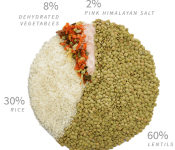
Where does $1 to Feeding Children Everywhere go?
Feeding Children Everywhere is a Longwood, Florida-based non-profit 501 (c) (3) organization that does one thing exceptionally well: they make a wholesome, all-natural meal (with no artificial flavors, colors, or vitamin mix) called the “lentil casserole.” Made of lentils (60%), rice (30%), veggies (8%) and pink Himalayan salt (2%), the lentil casserole is a nutritionally sound meal full of protein, fiber, carbohydrates, vitamins and minerals. Read more
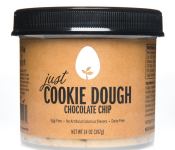
Just Cookie Dough
Just Cookie Dough is better for you and the world – so go ahead and grab a spoon.
Sticking a spoon into a bowl of cookie dough and eating it raw is more than a right of passage from childhood to adulthood. In fact, most of us never outgrow our passion for cookie dough. We claim we’re making cookies for our kids and we eat the dough when no one is looking. We mix cookie dough in ice cream and of course, we scoop spoonfuls onto cookie sheets to make cookies. But, sometimes we don’t have time to make cookie dough from scratch (and we don’t want a commercial cookie dough made with artificial colors, flavors, or even dairy products). So what’s a cookie dough addict to do? Buy a jar of Just Cookie Dough by Hampton Creek at your local Super Target. Read more

How to Spice Up Salad, Rice, and Baked Potatoes
At some point we all get into a rut when it comes to making a side dish, whether it’s the dinner salad, rice, or a baked potato. Let’s start with the salad. Lettuce greens, tomatoes, cucumbers, carrots and scallions are placed in a bowl, tossed with dressing and voilá, the salad is ready. If we think ahead, maybe some homemade croutons make an appearance.
For rice, we generally chose water and when feeling adventurous, maybe broth (low sodium if we’re in a nutritious frame of mind). Baked potatoes present another challenge, especially for those on dairy-free diets because butter and sour cream are not options. So, what can we do with these three essential side dishes to generate a bit more excitement at the table? Read more


 Paddock Post